|
#1
●
05-28-2013, 11:12 AM
| ||||||||
 ★ ********* ★ Poster Rank:246 Male Join Date: Jul 2009 Posts: 5,565
Contributions: 368
Mentioned: 66 Post(s) Quoted: 932 Post(s)
| ||||||||
|
China Steals US Weapons Secrets
CHINESE hackers have compromised many of the most advanced US weapons systems, including programs crucial to missile defences in Asia, warplanes and naval ships, according to a Pentagon report.  · 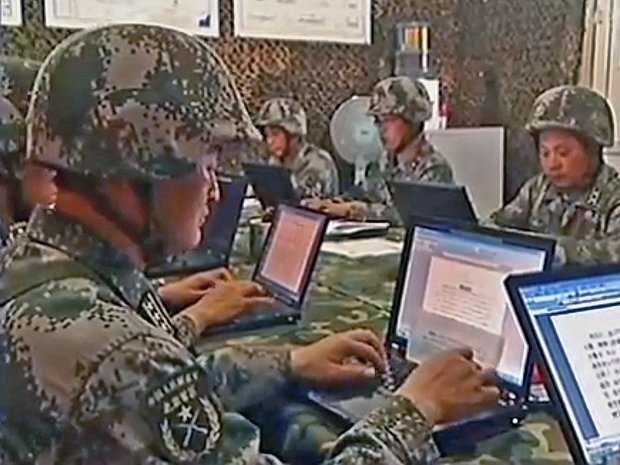 ·  ·  · |
|
#2
●
05-28-2013, 11:32 AM
| ||||||||
 ★ Legacy Member ★ Poster Rank:1100 Male Join Date: Jun 2012 Posts: 594 Mentioned: 0 Post(s) Quoted: 163 Post(s)
| ||||||||
|
Re: China Steals US Weapons Secrets
Just wait till the US drones are hacked and used against us. Technology is going to destroy this world.
|
|
#5
●
05-28-2013, 12:42 PM
| ||||||||
| So Fucking Banned Poster Rank:333 Male Join Date: Mar 2010 Posts: 3,852 Mentioned: 13 Post(s) Quoted: 750 Post(s)
| ||||||||
|
Re: China Steals US Weapons Secrets
Does anyone actually believe this missile defense system will stop the majority of nukes?  Maybe England and states towards the middle or far end of perceived enemy silos would benefit a little bit but to actually stop a full on attack? Not a chance. |
|
#6
●
05-28-2013, 12:50 PM
| ||||||||
| ★ Legacy Member ★ Poster Rank:1100 Male Join Date: Jun 2012 Posts: 594 Mentioned: 0 Post(s) Quoted: 163 Post(s)
| ||||||||
|
Re: China Steals US Weapons Secrets
1,2.....10 yes. Any more then that, within a weeks time not a chance. There are only so many defense missiles ready to go and they are placed all over. Couple here. Couple there.
|
|
#7
●
05-28-2013, 04:58 PM
| ||||||||
 My Rank: MASTER SERGEANT Poster Rank:499 Join Date: Oct 2011 Posts: 2,078
Contributions: 1
Mentioned: 0 Post(s) Quoted: 148 Post(s)
| ||||||||
|
Re: China Steals US Weapons Secrets
That or someone who is scared of them. I bet America will be more complicit than a random ass country like Uzbekistan. |
|
#8
●
05-28-2013, 05:02 PM
| ||||||||
| So Fucking Banned Poster Rank:333 Male Join Date: Mar 2010 Posts: 3,852 Mentioned: 13 Post(s) Quoted: 750 Post(s)
| ||||||||
|
Re: China Steals US Weapons Secrets
Russia and US have 100+ easily. Then you will have counter measures to stop the missile defence counter measures. |
|
#9
●
05-28-2013, 05:43 PM
| ||||||||
| So Fucking Banned Poster Rank:452 male Join Date: Sep 2012 Posts: 2,435 Mentioned: 7 Post(s) Quoted: 462 Post(s)
| ||||||||
|
Re: China Steals US Weapons Secrets
Ehh, not to worried. You dont look on the dumb kids paper while cheating on a test And we are finally blaming china directly!!  good job 'Merica! good job 'Merica! |