|
#1
●
10-05-2008, 04:48 PM
| ||||||||
 ★ ★ GENERAL ★ ★ Poster Rank:42 male Join Date: Oct 2006 Posts: 34,450
Contributions: 35
Mentioned: 2166 Post(s) Quoted: 20744 Post(s)
| ||||||||
|
Organ Trafficking in Lefortovo Russia
Russia's economic collapse in the early 1990s spawned a frenzied sale of body parts -- some infected with hepatitis -- to the United States, and led directly to U.S. regulation of the industry. A storefront dental office in Los Angeles and home-based offices in Florida and Detroit peddled bone, brain linings and other tissue from Russia and other former Eastern Bloc countries. In 1993, a tissue sample from the Los Angeles office tested positive for hepatitis B, the Register said. Russian coroners were swamped with bodies in the early 1990s as crime increased and the health-care system deteriorated. In 1993, the Moscow coroner's office had 34,000 bodies brought in for autopsies, up from the previous average of 12,000. At the same time, morgues and hospitals were starving for funds. The solution: sell portions of the bodies. The benefits were self-evident: pure hard currency coming in, while the coroner's offices were suffocating without money,'' said Grigory Zaslavsky, St. Petersburg region coroner. One of the tissue traders was Vladimir Shigeev, who was director of Moscow's Lefortovo morgue. He also had a private business that extracted bones, eyes, cartilage and brain linings from corpses. He obtained tissue from morgues from Moscow to Siberia. ``We just tore it out and shipped it off,'' Shigeev said. A body brought no more than $120, while products made from tissue collected in the United States could be worth as much as $200,000. His main client was New Jersey-based Tutogen Medical Inc. Last year, the U.S. Food and Drug Administration, citing ``inadequate donor screening,'' forced the company to recall all brain lining products harvested before May 1994 and distributed in the United States under two of its labels. Some Russian cadavers also went to San Diego-based Allograft Technologies Inc., known as the San Diego Regional Tissue Bank. At one point, the FDA ordered the bank to recall 834 pieces of human tissue it received from Russia and distributed in 18 states. However, the FDA could not prove any infections were passed to patients from the tissue. An FDA rule finalized in 1997 effectively prevented the importation of tissue unless it had been tested under strict FDA guidelines. The testing seriously hurt Shigeev's business, he said. ``It was a total fiasco,'' Shigeev said. ``At least every third -- almost every other one -- of our corpses turned out to have hepatitis.'' 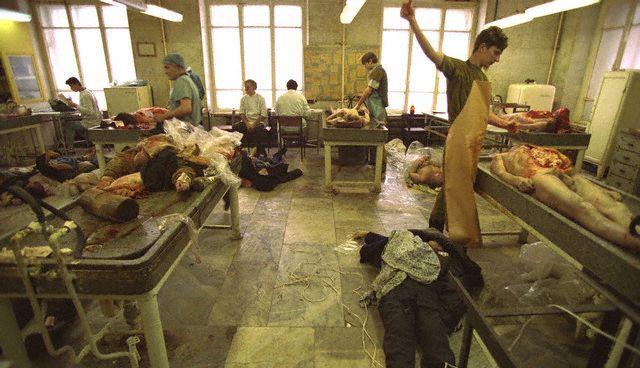 · 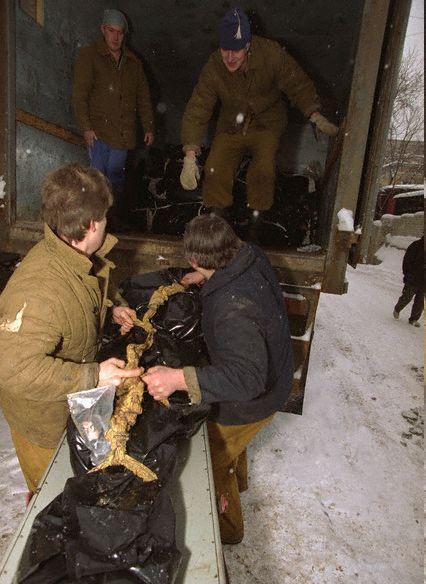 · 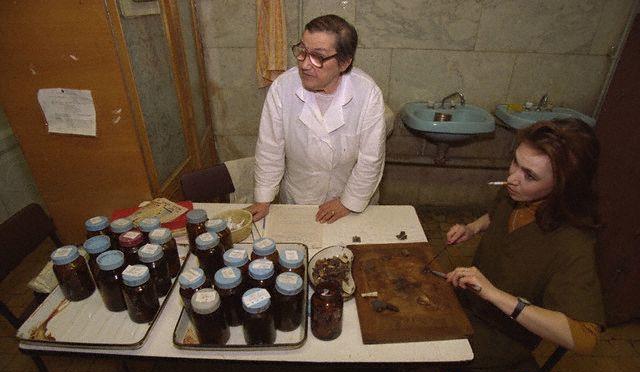 · 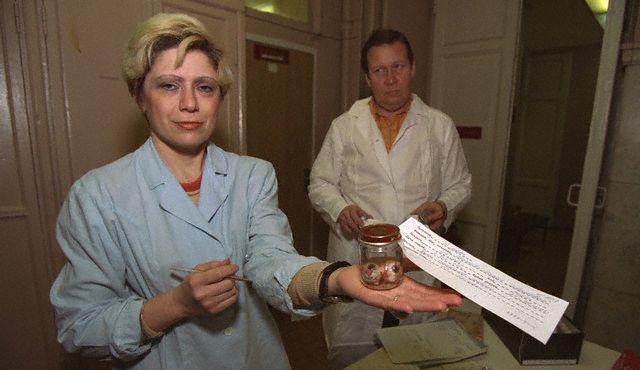 · 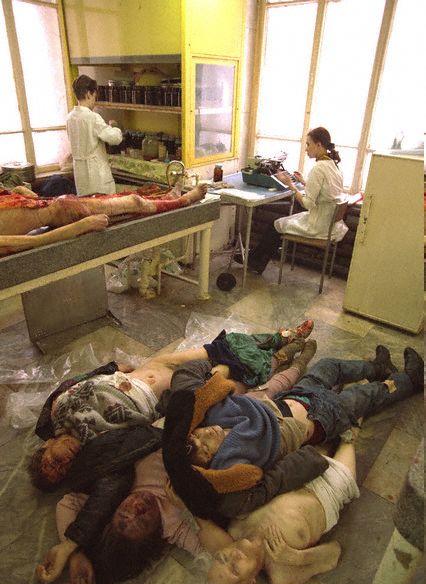 · 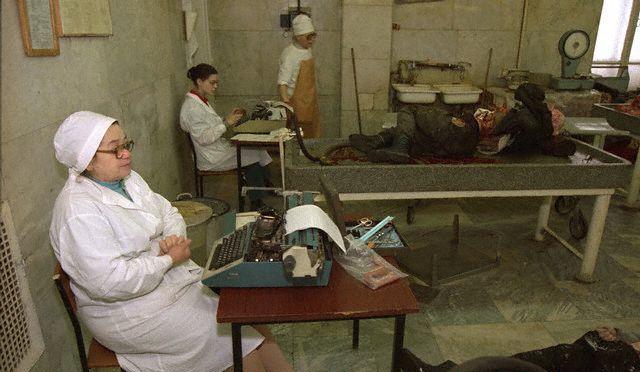 · 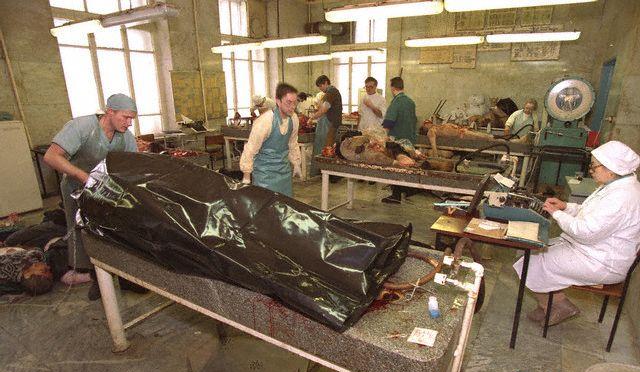 · 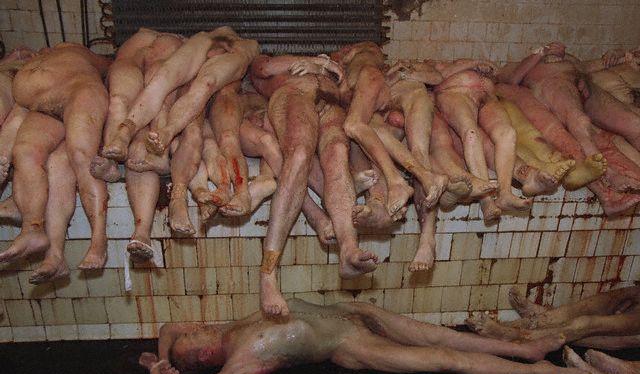 · 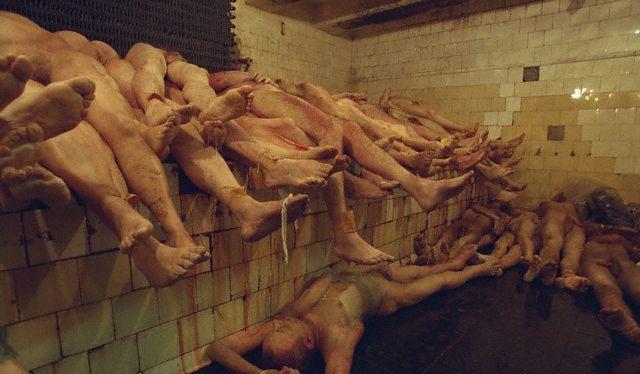 · 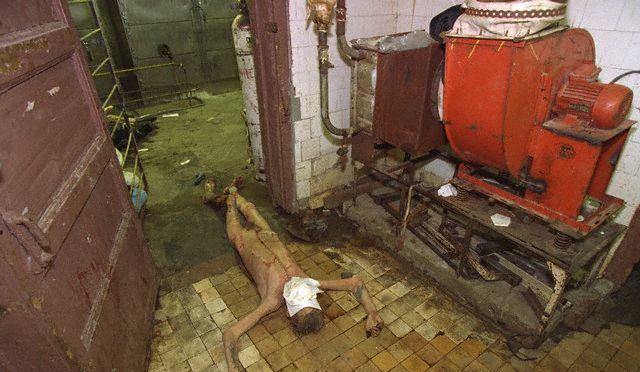 · 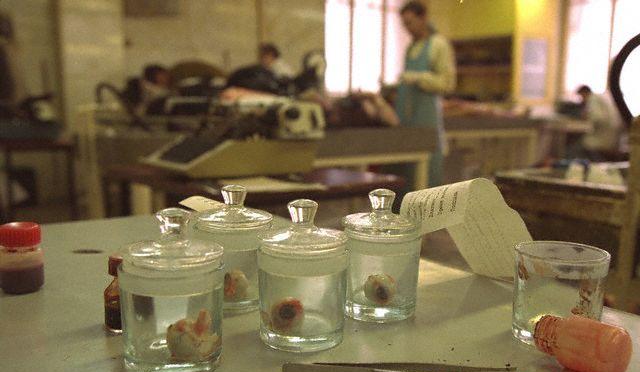 ·
__________________ Support the site and our continued existance by upgrading to a Green Name |
|
#2
●
10-05-2008, 06:13 PM
| ||||||||
 ✝Mudderator from Hell✝ Poster Rank:10 e-mail Join Date: Oct 2006 Posts: 94,931
Contributions: 817
Mentioned: 472 Post(s) Quoted: 10073 Post(s)
| ||||||||
|
Re: Organ Trafficking in Lefortovo Russia
Unreal.
|
|
#7
●
01-13-2009, 10:59 PM
| ||||||||
 My Rank: SERGEANT Poster Rank:1095 Hermaphrodite Join Date: Jan 2009 Posts: 597 Mentioned: 1 Post(s) Quoted: 6 Post(s)
| ||||||||
|
Re: Organ Trafficking in Lefortovo Russia
russia is truly a fucked up place. i hope one day it gets nuked.
|
|
#9
●
03-29-2009, 10:00 PM
| ||||||||
 My Rank: LANCE CORPORAL Poster Rank:2436 Male Join Date: Mar 2009 Posts: 182 Mentioned: 0 Post(s) Quoted: 7 Post(s)
| ||||||||
|
Re: Organ Trafficking in Lefortovo Russia
ohh man that place look like a place where the german kill alot of jew.
|